
and the New Challenges for Electricity Sector Suppliers
There is no denying the urgency of structural change in Brazil’s electricity sector. Yet regardless of the planning, pace or precision of legal and regulatory initiatives, a shift in behaviour is already acting as a catalyst, bringing a new kind of electricity consumer to the market: better informed, connected, engaged and ready to take control of their own energy use. This movement — driven by technological innovation, regulatory change and cultural shifts — is forcing companies in the sector, particularly those working directly with low-voltage customers, to rethink their business models and operating strategies.
Join 3D Watt as we explore the main drivers of this transformation and what industry players need to do to keep pace with the new reality.
The New Energy Consumer Profile
Brazil’s historically passive electricity consumer has begun to take a far more active stance, and the evidence of this shift is unmistakable:
-
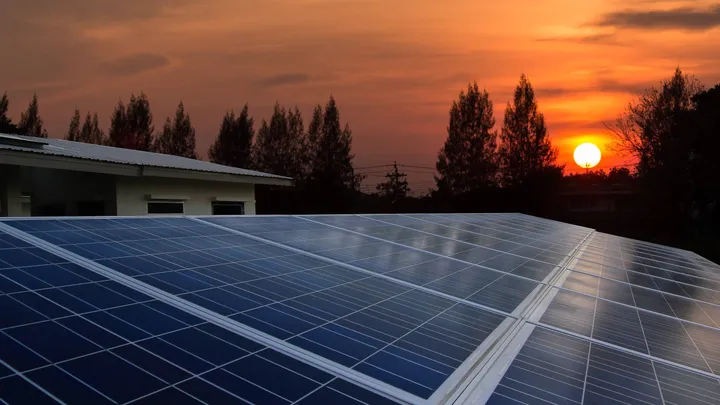
The exponential growth of distributed generation (MMGD — Brazil’s micro and mini distributed generation framework), which already accounts for more than 5 million consumer connections and over 40 GW of installed capacity.
-
A growing appetite for choice, whether through shared generation models or the options already available on the free market (ACL — Brazil’s free contracting market).
-
Rising interest in technologies such as smart meters, residential battery energy storage and electric vehicles.
-
Rapid uptake in the migration to the free energy market following the regulatory opening to the entire Group A voltage class (Brazilian medium- and high-voltage commercial and industrial consumers).
This consumer is no longer looking only for savings, but also for control, autonomy and sustainability — shaped by values that are now plainly visible.
Drivers of the Behavioural Shift
In step with the pillars of the energy transition, this change in consumer behaviour is driven chiefly by:
-
A preference for digital: real-time consumption monitoring and management tools foster greater energy awareness and efficiency-minded behaviour.
-
Sustainability: a preference for renewable sources reflects a deep-rooted environmental awareness and alignment with global climate change mitigation targets.
-
A focus on saving time and money: a search for solutions that simplify life and maximise savings, combining convenience with a real reduction in the energy bill.
-
Freedom of choice: options and the freedom to decide according to one’s own values and needs.
-
Customisation: a demand for solutions tailored to one’s routine, consumption and financial goals.
-
A premium on authentic ESG: a preference for suppliers with genuine ESG practices that demonstrate real commitment, ethics and positive social impact.
Implications for Electricity Sector Players
Companies working with low-voltage customers in particular must adapt their services and commercial operations to serve this new consumer. Recommended strategies include:
-
Multidisciplinary technical expertise, with the ability to assess — even at a preliminary level — different technological, tariff and regulatory options for a single energy problem.
-
A customer-focused approach, with the ability to listen, adapt solutions and act as a long-term strategic partner.
-
Clear, accessible communication tailored to the consumer, explaining technical concepts simply and directly.
-
Continuous learning, keeping pace with new technologies, regulations, tariffs and incentives in the electricity sector.
Continuous Transformation
We will increasingly face a consumer with new demands, new skills and new expectations. Far from being a passing trend, this change is a structural reconfiguration that will drive the continuous transformation of today’s business models and the creation of new ones that were unthinkable only a short time ago.
To remain competitive and relevant, players in this market will need to accelerate their capacity to adapt — investing even more in team training, innovation and market intelligence in order to place the consumer ever more firmly at the centre of their operations.